Executive Orders: The Ultimate Guide To Understanding Presidential Authority

Executive Orders: The Ultimate Guide To Understanding Presidential Authority - The use of executive orders dates back to the early days of the United States, with George Washington issuing the first known executive order in 1789. Over time, presidents have used executive orders to address a wide range of issues, from national security to civil rights. The practice has evolved significantly, reflecting changes in the political landscape and the scope of presidential power. Executive orders play a crucial role in shaping public policy by allowing presidents to take swift action on pressing issues. They enable the executive branch to respond to emergencies, implement legislative priorities, and address gaps in existing laws. However, the effectiveness of executive orders depends on their implementation and enforcement by federal agencies.
The use of executive orders dates back to the early days of the United States, with George Washington issuing the first known executive order in 1789. Over time, presidents have used executive orders to address a wide range of issues, from national security to civil rights. The practice has evolved significantly, reflecting changes in the political landscape and the scope of presidential power.

In this comprehensive guide, we will delve deep into the world of executive orders, exploring their history, legal basis, implementation, and impact on American politics. Whether you're a political science enthusiast, a student, or simply someone interested in understanding how the U.S. government works, this article will provide you with all the information you need to grasp the complexities of executive orders.
Executive orders are official directives issued by the President of the United States that have the force of law. They allow the president to manage the operations of the federal government, direct federal agencies, and implement policies without requiring congressional approval. While they are powerful tools, executive orders must be rooted in the president's constitutional authority or existing statutes.
Executive orders can be categorized into several types based on their purpose and scope. These include administrative orders, which focus on managing the executive branch; policy orders, which implement or enforce laws; and ceremonial orders, which are symbolic in nature. Each type serves a distinct function within the framework of presidential authority.
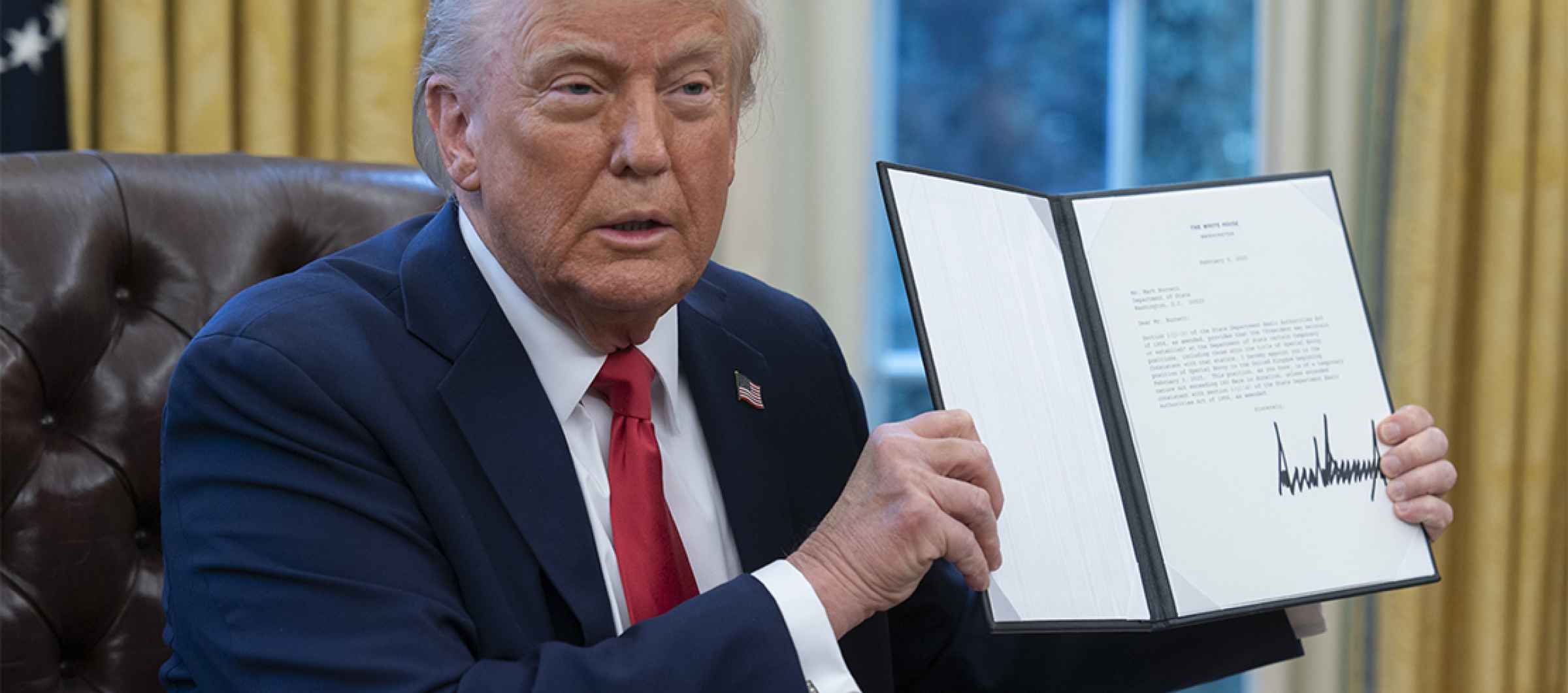
By the end of this guide, you'll have a clearer understanding of why executive orders matter, how they shape public policy, and what their limitations are under the Constitution. Let's get started!
Administrative orders, for example, often deal with internal operations of federal agencies, while policy orders may address broader issues such as immigration, healthcare, or environmental protection. Understanding these distinctions helps clarify the role of executive orders in shaping public policy.
Despite their power, executive orders are subject to several limitations and challenges. First, they can be overturned or modified by subsequent presidents, limiting their long-term impact. Additionally, executive orders can be challenged in court if deemed unconstitutional or beyond the scope of presidential authority.
Congress also has the power to nullify executive orders through legislation, although this requires overcoming potential presidential vetoes. These checks and balances ensure that executive orders remain within the bounds of constitutional governance.
Executive orders derive their authority from Article II of the U.S. Constitution, which grants the president the power to "take Care that the Laws be faithfully executed." This clause provides the foundation for the president's ability to issue executive orders, as long as they align with constitutional principles and existing laws.
As the political landscape continues to evolve, the role of executive orders in governance is likely to remain a focal point of debate. Future presidents may rely more heavily on executive orders to address pressing issues, particularly in areas where legislative action is challenging or slow.
These orders highlight both the potential benefits and risks of executive orders, underscoring the need for careful consideration and oversight.
Throughout U.S. history, several executive orders have had a profound impact on the nation. Among the most notable are: